January 24, 2025

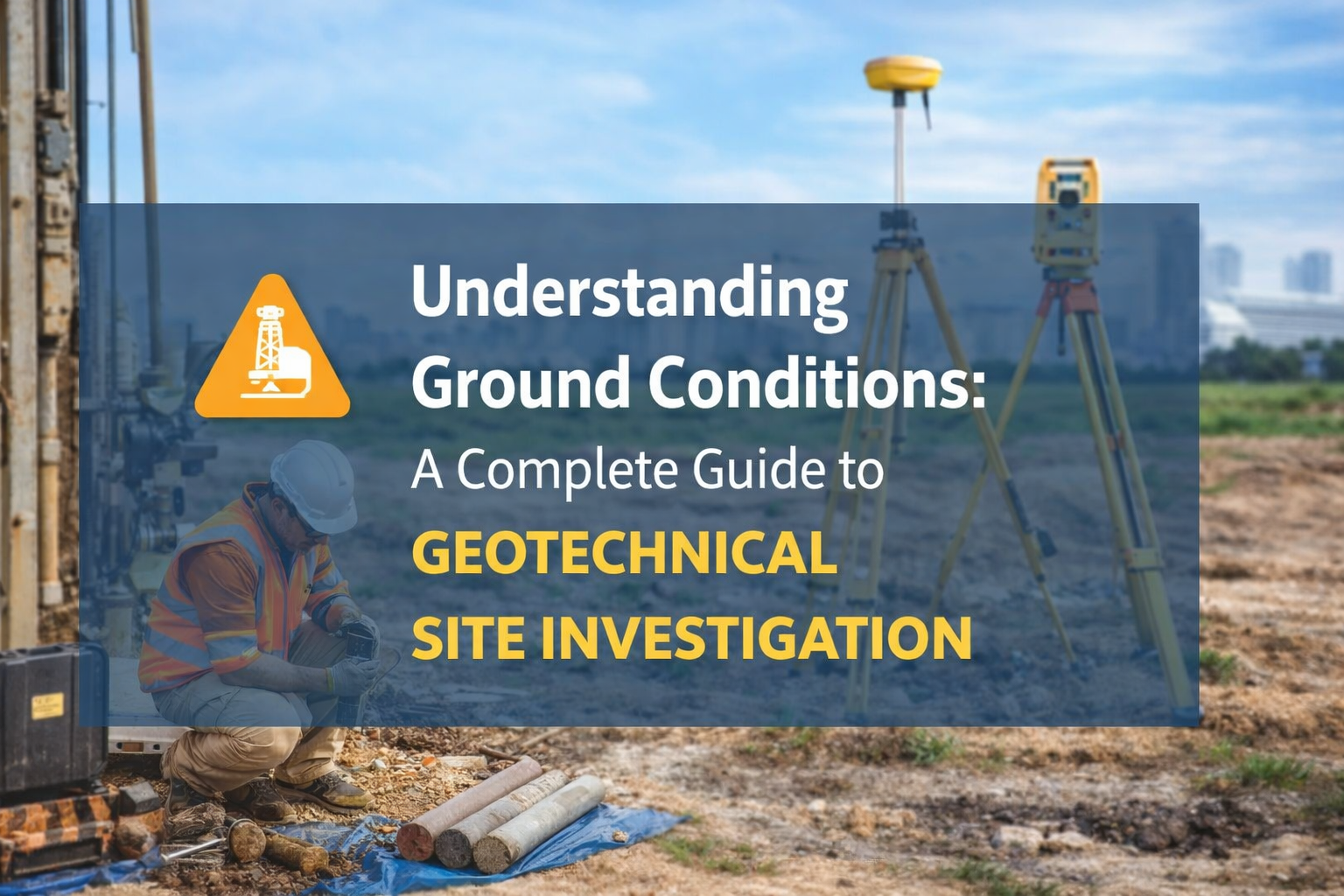
Understanding Ground Conditions: A Complete Guide to Geotechnical Site Investigation
Introduction
When it comes to any construction or infrastructure project, what lies beneath the surface matters just as much as what is built above it. Geotechnical site investigation is the systematic process of understanding the ground conditions at a construction site before any design or building begins. Without a thorough soil investigation report, even the most sophisticated structural designs can fail, leading to catastrophic consequences and enormous financial losses.
Geotechnical engineering forms the backbone of safe and sustainable construction. It involves the study, analysis, and application of soil and rock mechanics to ensure that foundations, retaining structures, and earthworks are designed to withstand real-world conditions. This guide walks you through every critical aspect of geotechnical site investigation — from planning to reporting — in a clear, practical manner.
What is Geotechnical Site Investigation?
Geotechnical site investigation is a multidisciplinary field study conducted to assess the physical properties of soil, rock, and groundwater at a proposed construction site. The primary objective is to generate a detailed site investigation report that supports foundation design, slope stability analysis, and overall ground condition analysis.
This process helps engineers and contractors answer critical questions such as: Can the ground support the proposed load? Is the site susceptible to settlement or liquefaction? Are there any underground obstacles or contaminated zones? What type of foundation is most suitable for this site?
The investigation integrates desk studies, field reconnaissance, borehole investigation, laboratory testing, and professional interpretation to produce a reliable geotechnical report for building construction.
Why is Ground Condition Analysis So Important?
Neglecting proper ground condition analysis is one of the most costly mistakes in construction. Poor or incomplete subsurface investigation can lead to foundation failure, structural cracking, slope instability, and even loss of life. Studies globally indicate that a significant percentage of construction disputes and project overruns are directly linked to inadequate geotechnical information.
Investing in a high-quality soil investigation report before breaking ground significantly reduces the risk of unexpected soil conditions during construction, increases the reliability of cost estimates, supports the selection of the most efficient and safe foundation type, and ensures compliance with local building codes and international standards.
Stages of Geotechnical Site Investigation
1. Desk Study and Preliminary Assessment
The first stage in any geotechnical engineering project involves collecting and reviewing existing information about the site. This includes historical maps, geological surveys, aerial photographs, previous borehole records, and environmental reports. A desk study helps identify potential geotechnical hazards and guides the scope of fieldwork.
2. Site Reconnaissance
A physical walkover of the site is conducted to observe surface features, existing structures, drainage patterns, vegetation, signs of erosion or landslides, and nearby infrastructure. This visual inspection provides valuable context for planning the subsurface investigation.
3. Subsurface Investigation (Borehole Investigation)
Borehole investigation is the most common and comprehensive method of exploring subsurface conditions. Boreholes are drilled at strategic locations across the site to retrieve soil and rock samples at various depths. These samples are then subjected to in-situ tests and laboratory analysis to understand their engineering properties.
The depth and spacing of boreholes depend on the nature of the project, the variability of the soil profile, and the expected foundation loads. For large infrastructure projects, multiple boreholes may be required, along with other methods like trial pits, cone penetration tests (CPT), and geophysical surveys.
Key Soil Testing Methods Used in Site Investigation
A range of soil testing methods are employed during a geotechnical investigation, each providing specific data about the engineering properties of the soil. The choice of tests depends on the soil type, project requirements, and budget.
Standard Penetration Test (SPT)
The Standard Penetration Test (SPT) is one of the most widely used in-situ soil testing methods in geotechnical engineering. It measures the resistance of soil to penetration by a standard sampler driven by a hammer. The N-value obtained from SPT is used to estimate soil bearing capacity, relative density, and the risk of liquefaction in cohesionless soils. SPT is particularly valuable in sandy and gravelly soils where undisturbed sampling is difficult.
Other Common Soil Testing Methods
-
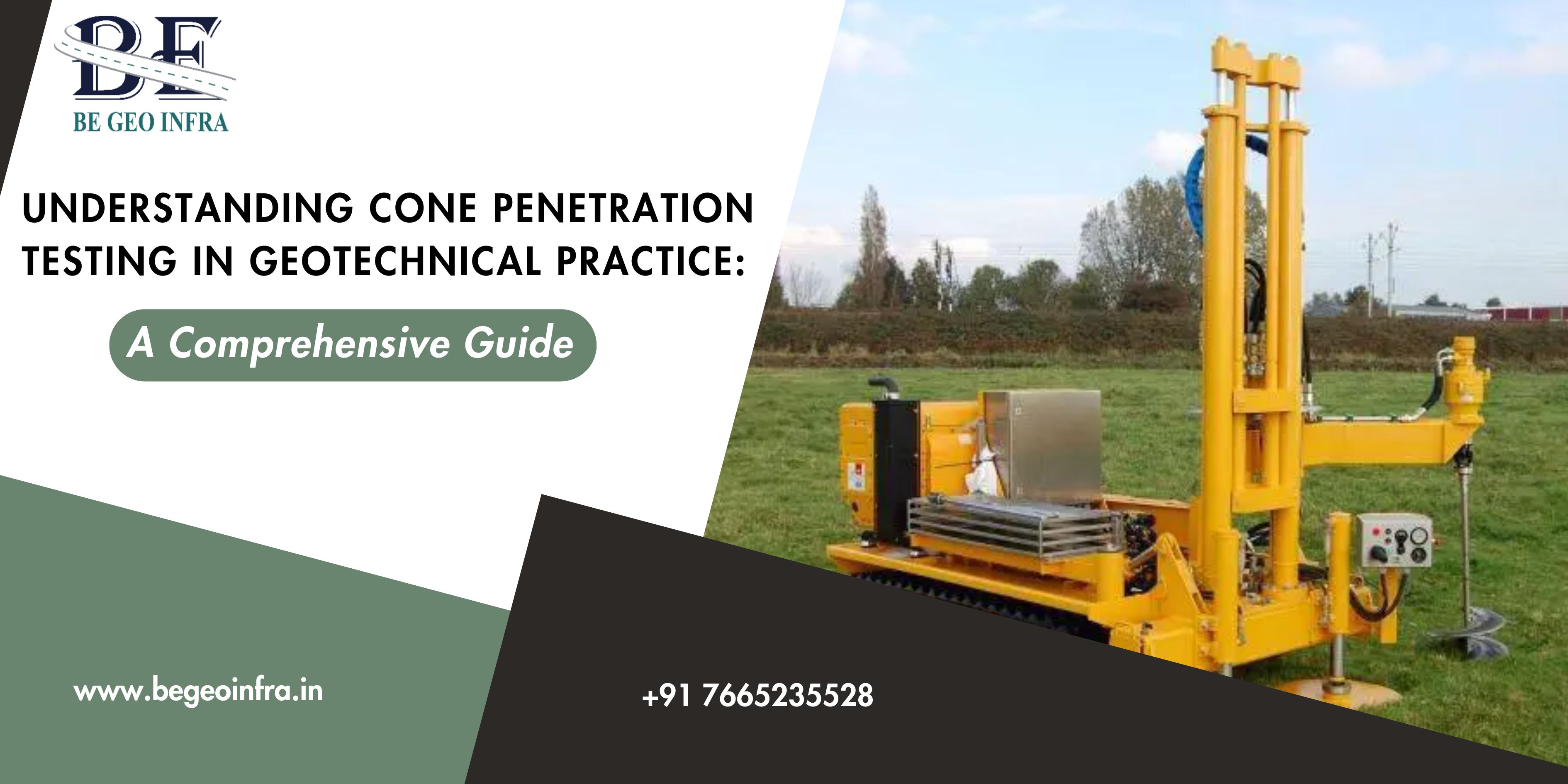
Cone Penetration Test (CPT) — provides continuous soil profiling and is excellent for soft clays and silts.
-
Vane Shear Test — used to measure the undrained shear strength of soft, sensitive clays in-situ.
-
Plate Load Test — assesses the load-settlement behavior of soil directly beneath a proposed foundation.
-
Atterberg Limits Tests — determine the plasticity characteristics of fine-grained soils, essential for soil classification.
-
Particle Size Distribution — identifies the soil gradation, helping in drainage design and compaction assessment.
-
Triaxial and Direct Shear Tests — provide shear strength parameters for slope stability and retaining wall design.
-
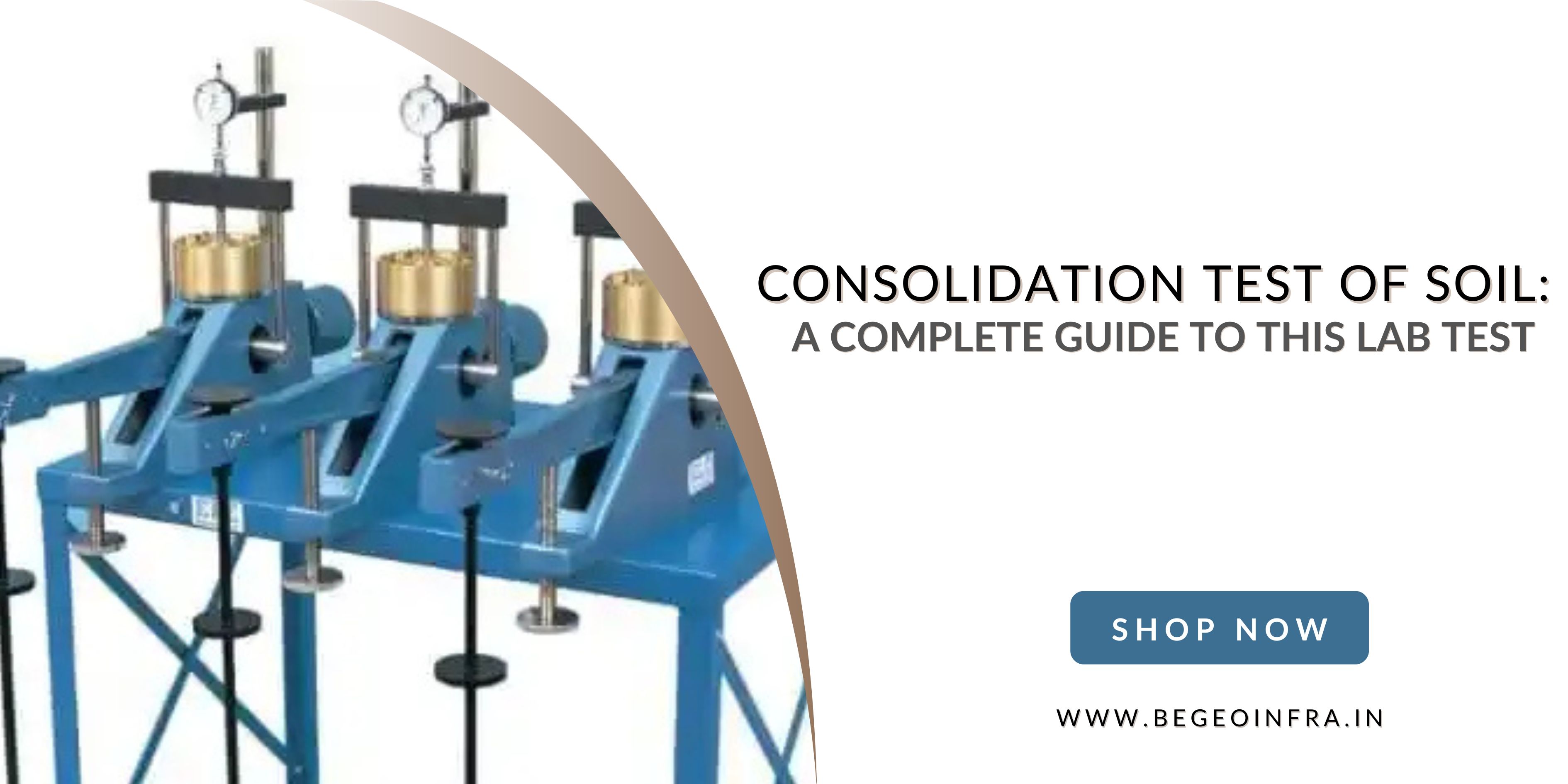
Consolidation Tests (Oedometer) — used to predict long-term settlement in compressible clay layers.
Soil Classification and Site Assessment
Soil classification and site assessment is a fundamental step in translating raw test data into actionable engineering decisions. Using classification systems such as the Unified Soil Classification System (USCS) or the AASHTO system, soils are categorized based on their grain size, plasticity, and engineering behavior.
Proper soil classification helps engineers select appropriate construction methods, predict drainage characteristics, estimate compaction requirements, and design safe slopes and embankments. Combined with groundwater depth measurements, the complete site assessment forms the basis of all subsequent engineering designs.
Ground Investigation Methods for Foundation Design
Selecting the right foundation type is perhaps the most critical outcome of any site investigation. Ground investigation methods for foundation design must provide accurate data on soil bearing capacity, settlement characteristics, groundwater levels, and the presence of weak or compressible layers.
For shallow foundations such as strip footings, rafts, and pad foundations, the investigation focuses on the upper soil layers and their bearing capacity. For deep foundations such as piles, investigation must extend to greater depths to identify suitable load-bearing strata and assess the potential for negative skin friction.
Modern geotechnical practice also employs geophysical techniques such as seismic refraction, electrical resistivity tomography, and ground-penetrating radar (GPR) to supplement borehole data and provide a more complete picture of the subsurface conditions over a larger area and at lower cost.
The Geotechnical Report for Building Construction
At the conclusion of the investigation, a comprehensive geotechnical report for building construction is prepared. This document synthesizes all field observations, laboratory results, and engineering analyses into practical recommendations for the design team and contractors.
A well-structured geotechnical report typically includes an executive summary, site description and history, description of the investigation methods used, borehole logs and laboratory test results, soil profile interpretation, groundwater conditions, geotechnical hazard assessment, foundation recommendations with design parameters, and earthworks and construction guidance.
It is important to understand that the geotechnical report is a legal document as much as a technical one. It defines the assumptions upon which the structural design is based. Any significant discrepancy between actual ground conditions and those described in the report during construction must be reported immediately and addressed through supplementary investigation.
How to Conduct a Geotechnical Site Investigation: Step-by-Step
-
Define the project scope and objectives — understand the type of structure, expected loads, and timeline.
-
Commission a desk study — gather all available geological, hydrological, and historical data.
-
Develop a site investigation plan — define the number, location, and depth of boreholes and test pits.
-
Mobilize fieldwork — engage a qualified geotechnical contractor to perform drilling, sampling, and in-situ testing.
-
Conduct laboratory testing — send samples to an accredited laboratory for soil testing.
-
Perform data analysis — interpret field and laboratory data using established geotechnical methods.
-
Prepare the geotechnical report — document findings and provide clear engineering recommendations.
-
Review and validate — have the report peer-reviewed by an independent geotechnical engineer.
Types of Soil Tests in Construction: Choosing the Right Approach
Understanding the types of soil tests in construction and knowing when to apply each is a hallmark of experienced geotechnical practice. Not every project requires every test — the challenge lies in selecting the most relevant tests for each specific site and structure type.
For high-rise buildings in urban areas, a comprehensive program including SPT, CPT, laboratory triaxial testing, and consolidation testing is typically required. For low-rise residential construction, a simpler investigation involving trial pits, SPT, and basic laboratory tests may be sufficient. For infrastructure projects such as roads, bridges, and embankments, specialized tests for slope stability and compaction control become critical.
Conclusion
Geotechnical site investigation is not merely a regulatory requirement — it is a fundamental investment in the safety, longevity, and cost-effectiveness of any construction project. A thorough ground condition analysis, powered by appropriate soil testing methods and professional interpretation, provides the foundation upon which sound engineering decisions are made.
Whether you are planning a small residential building or a large industrial complex, commissioning a professional soil investigation report and working with experienced geotechnical engineers will pay dividends many times over. The ground beneath your structure holds no secrets — but only if you know how to ask the right questions.
Investing in geotechnical engineering is investing in the future of your project. Do not cut corners on subsurface investigation — the cost of ignorance is always far greater than the cost of knowledge.
Popular post

February 08, 2025
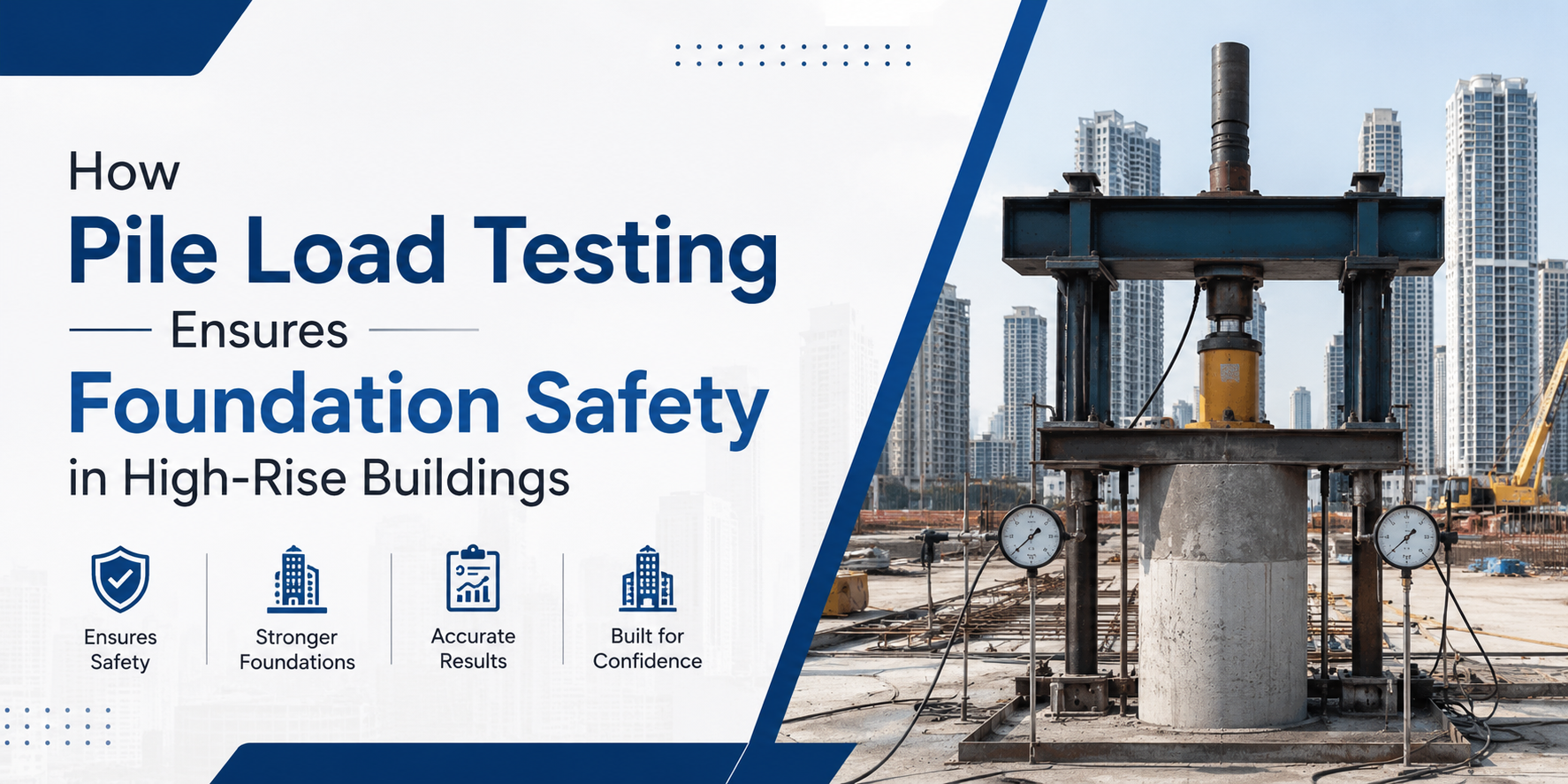
Pile Load Testing: Importance, Methods, and Benefits

February 11, 2025
Piling Work Service: The Key to Strong and Stable Foundations
February 18, 2025
What Are Geotechnical Services? A Complete Guide


February 22, 2025
What is a Road Safety Audit & Why is it Important?





April 16, 2025
Types of Material Testing: A Complete Guide for Beginners


February 07, 2026
Top 10 Geotechnical Problems in Construction and Their Solutions
March 31, 2026
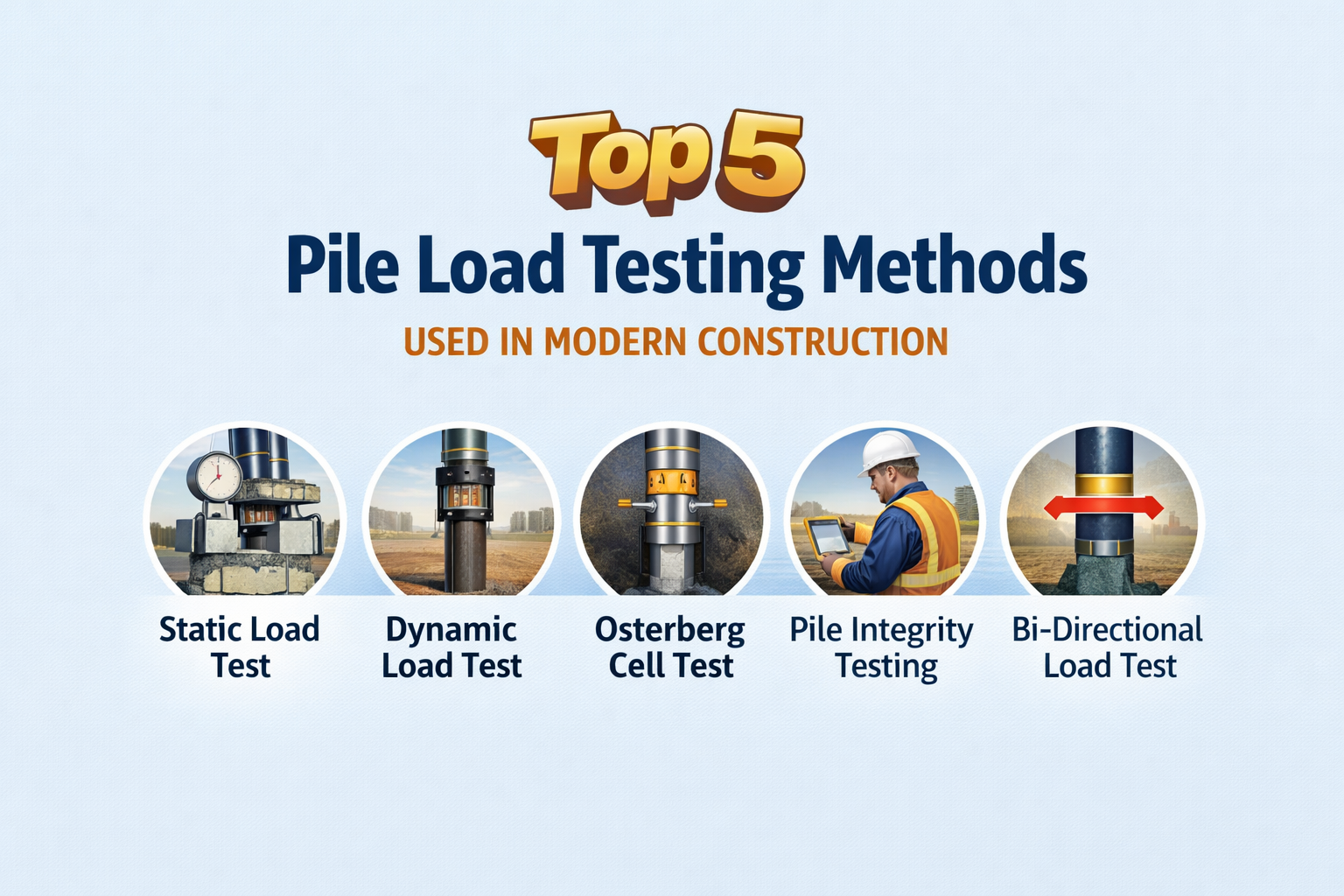
Top 5 Pile Load Testing Methods Used in Modern Construction

June 30, 2026
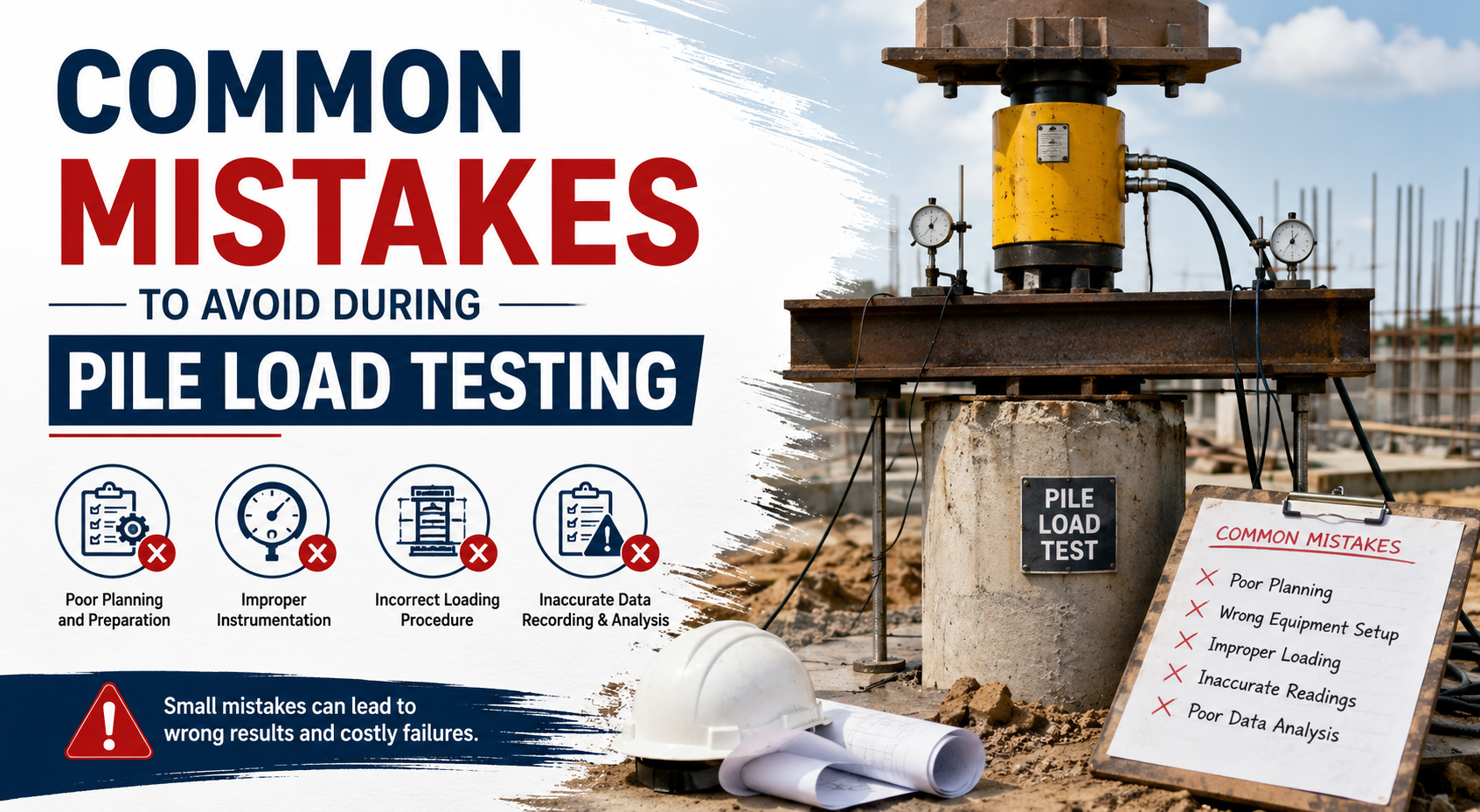
Common Mistakes to Avoid During Pile Load Testing

Need help? Call us Today at+91 7665235528
for inquiries and support. We’re here to assist you.