January 24, 2025

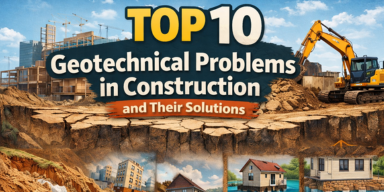
Top 10 Geotechnical Problems in Construction and Their Solutions
Geotechnical problems in construction can lead to project delays, cost overruns, and even structural failures. Understanding these challenges and implementing proper solutions is crucial for successful project completion. Whether you're a builder, contractor, or property owner, this comprehensive guide will help you identify and address common geotechnical issues before they become costly disasters.
Based on extensive field experience and industry best practices, we've compiled the top 10 geotechnical problems encountered in construction projects, along with proven solutions that can save time, money, and ensure structural integrity.
1. Soil Settlement and Differential Settlement
The Problem: Soil settlement occurs when the ground beneath a structure compresses under load, causing the building to sink. Differential settlement happens when different parts of a structure settle at different rates, leading to cracks, structural damage, and potential collapse.
The Solution: Conduct thorough soil testing before construction to determine soil bearing capacity. Implement proper foundation design based on soil conditions. Use techniques like soil compaction, deep foundations (piles or piers), or ground improvement methods such as stone columns or dynamic compaction for weak soils.
2. Expansive Soil Movement
The Problem: Expansive soils, particularly those with high clay content, expand when wet and shrink when dry. This cyclical movement can cause foundation heaving, cracking, and severe structural damage. Common in regions with seasonal rainfall variations.
The Solution: Identify expansive soils through geotechnical investigation including plasticity index testing. Install moisture barriers around foundations, maintain consistent soil moisture levels, use pier and beam foundations that extend below the active zone, or remove and replace expansive soil with non-expansive fill material.
3. Poor Soil Bearing Capacity
The Problem: Weak soils with insufficient bearing capacity cannot support structural loads, leading to excessive settlement, foundation failure, and structural instability. This is particularly common in areas with soft clay, loose sand, or organic soils.
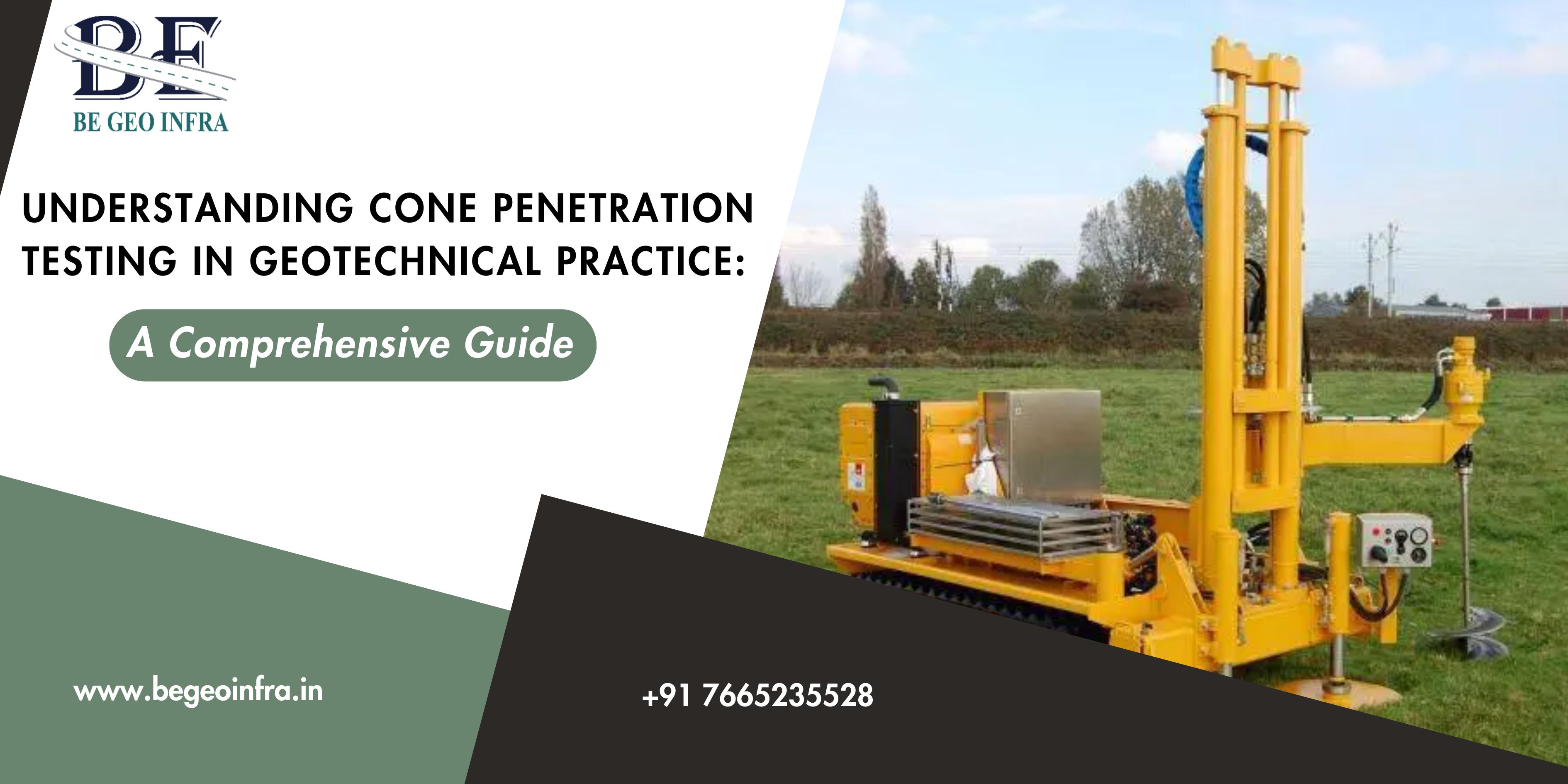
The Solution: Perform standard penetration tests (SPT) or cone penetration tests (CPT) to determine actual bearing capacity. Implement soil stabilization techniques such as cement or lime treatment, use deep foundation systems like driven piles or drilled shafts, or improve soil through grouting or soil mixing methods.
4. Groundwater and Drainage Issues
The Problem: High groundwater tables, poor drainage, or water infiltration can reduce soil strength, cause hydrostatic pressure on foundations, lead to soil erosion, and create foundation instability. Water-related issues are among the most common geotechnical problems.
The Solution: Install proper drainage systems including French drains, curtain drains, or subsurface drainage networks. Implement dewatering techniques during construction, apply waterproofing membranes to foundations, design adequate surface grading for water runoff, and consider using well-point systems or sump pumps for permanent water control.
5. Slope Instability and Landslides
The Problem: Construction on or near slopes can trigger slope failures, landslides, or soil creep. Factors include steep gradients, water infiltration, vegetation removal, improper grading, seismic activity, and weak soil layers. Slope failures can destroy structures and pose serious safety risks.
The Solution: Conduct slope stability analysis before construction. Install retaining walls, soil nails, or anchored systems to stabilize slopes. Implement proper surface and subsurface drainage to prevent water accumulation. Use terracing or benching techniques, plant deep-rooted vegetation for soil reinforcement, and avoid construction on slopes steeper than recommended angles without proper engineering.
6. Soil Liquefaction
The Problem: In seismic zones, loose, saturated sandy soils can lose strength and behave like liquid during earthquakes. This causes structures to tilt, sink, or collapse. Liquefaction is particularly dangerous for critical infrastructure and high-rise buildings.
The Solution: Identify liquefaction-prone soils through geotechnical investigation and seismic hazard assessment. Improve soil density through vibro-compaction, dynamic compaction, or stone columns. Use deep foundations that extend below liquefiable layers. Install ground improvement systems like wick drains or implement soil densification methods before construction begins.
7. Foundation Undermining and Scour
The Problem: Water flow, erosion, or excavation near foundations can remove supporting soil, causing foundation undermining. This is common near water bodies, drainage channels, or areas with poor erosion control. Undermining can lead to sudden foundation failure.
The Solution: Extend foundations below potential scour depth, especially for structures near water. Install erosion control measures like riprap, gabion walls, or geotextiles. Maintain proper drainage channels away from foundations. Monitor erosion patterns regularly and implement immediate remedial measures if undermining is detected. Use scour protection systems for bridge foundations and waterfront structures.
8. Collapsible Soils
The Problem: Certain soils maintain structure in dry conditions but collapse rapidly when wetted, causing sudden and severe settlement. Loess soils and some desert soils are particularly prone to collapse. This can occur years after construction when soil moisture conditions change.
The Solution: Conduct collapse potential testing during geotechnical investigation. Pre-wet and compact collapsible soils before construction to induce controlled collapse. Remove and replace problematic soil with non-collapsible material. Use deep foundations that bypass collapsible layers. Implement strict moisture control measures to prevent post-construction wetting.
9. Lateral Earth Pressure and Retaining Wall Failures
The Problem: Improper assessment of lateral earth pressures can cause retaining wall failures, basement wall cracking, or excavation support collapse. Factors include soil type, groundwater, surcharge loads, and poor drainage behind walls. Failed retaining structures can cause property damage and safety hazards.
The Solution: Design retaining structures based on accurate geotechnical data including soil strength parameters and groundwater levels. Install proper drainage systems behind walls to reduce hydrostatic pressure. Use geogrid reinforcement for high walls. Ensure adequate foundation depth and width. Consider using mechanically stabilized earth (MSE) walls for tall retaining structures. Regular monitoring and maintenance are essential.
10. Contaminated Soil and Environmental Issues
The Problem: Construction on sites with contaminated soil (from industrial use, chemical spills, or waste disposal) poses health risks, regulatory compliance issues, and construction challenges. Contaminated soil may also have altered engineering properties affecting foundation performance.
The Solution: Conduct Phase I and Phase II environmental site assessments before construction. Implement soil remediation techniques such as soil excavation and disposal, soil washing, bioremediation, or thermal treatment. Use vapor barriers and protective membranes to prevent contaminant migration. Follow all environmental regulations and obtain necessary permits. Consider using brownfield redevelopment strategies.
Conclusion: Prevention Through Professional Geotechnical Investigation
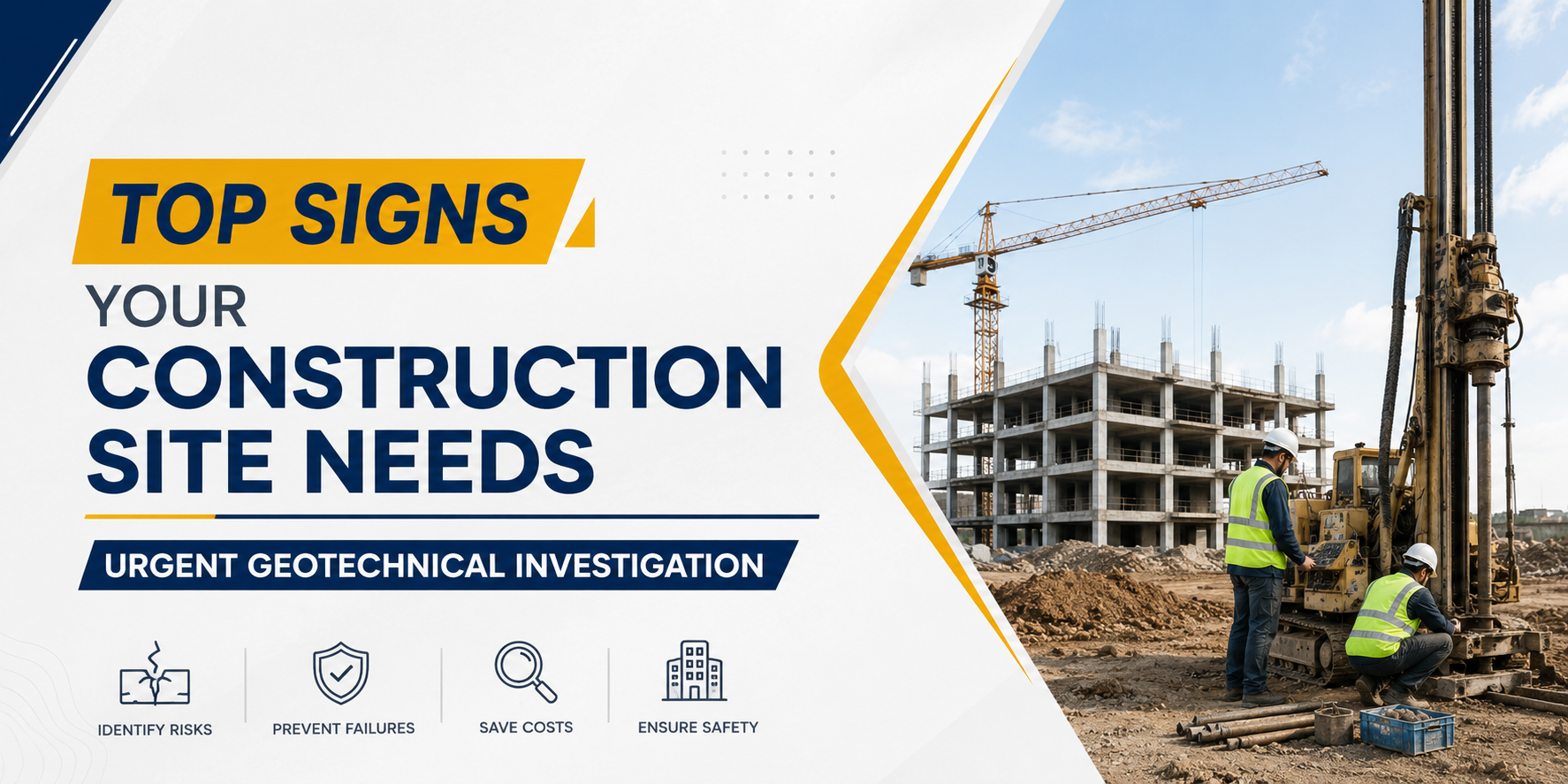
The common thread across all these geotechnical problems is the critical importance of comprehensive site investigation before construction begins. A thorough geotechnical investigation including soil testing, groundwater assessment, and site-specific analysis can identify potential problems early when solutions are most cost-effective.
Professional geotechnical services provide detailed reports with soil parameters, bearing capacity data, foundation recommendations, and potential risk identification. This investment in proper investigation typically represents less than 1% of total project costs but can prevent problems that might cost 10-100 times more to fix after construction.
At Begeo Infra, we specialize in comprehensive geotechnical investigations, soil testing, foundation design consultation, and construction monitoring services. Our experienced team uses advanced testing methods and modern equipment to provide accurate data for informed decision-making.
Don't let geotechnical problems derail your construction project. Contact Begeo Infra today for professional geotechnical investigation services and ensure your project is built on solid ground.
Popular post

February 08, 2025
Pile Load Testing: Importance, Methods, and Benefits
February 11, 2025
Piling Work Service: The Key to Strong and Stable Foundations
February 18, 2025
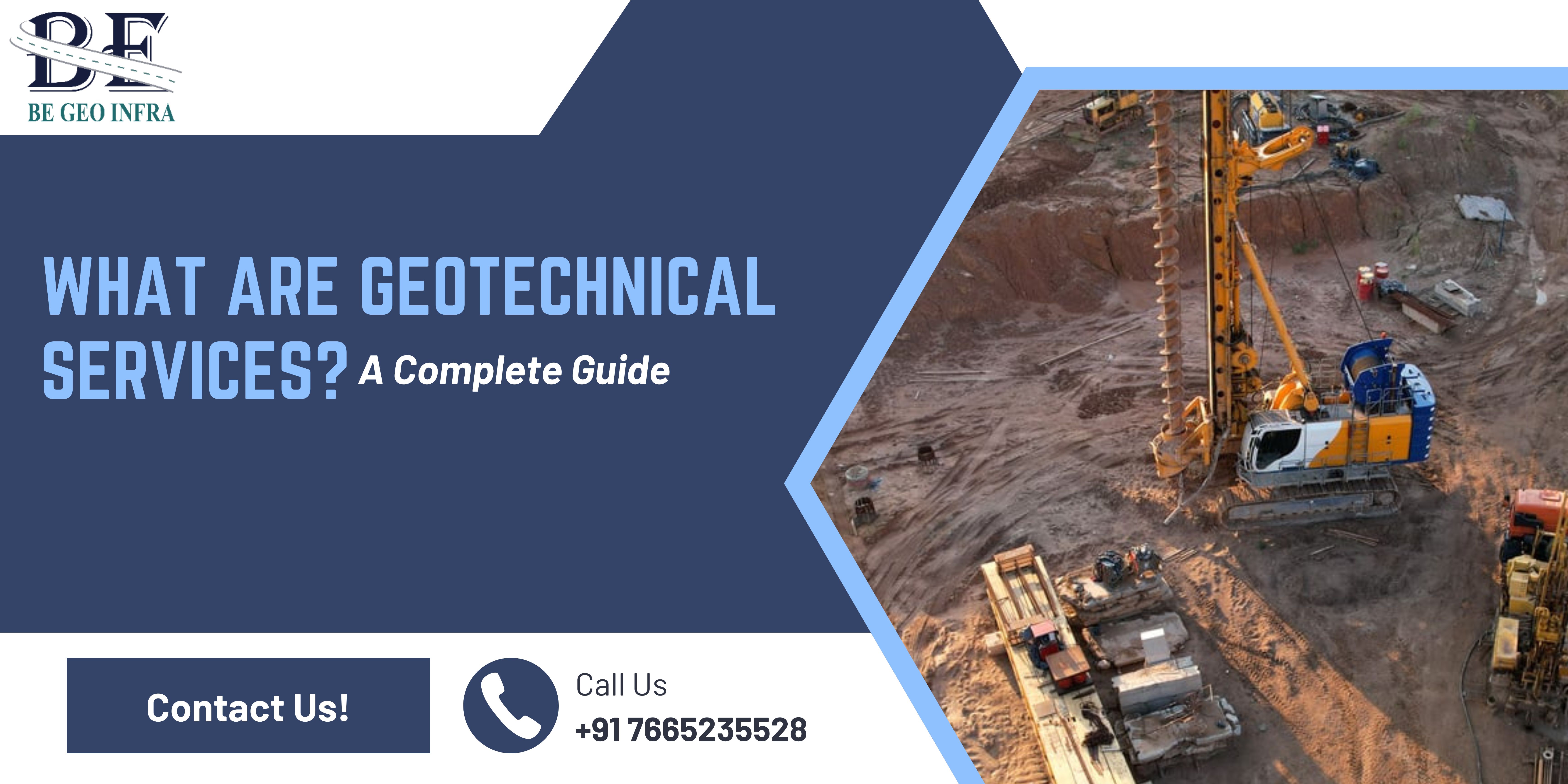
What Are Geotechnical Services? A Complete Guide
February 22, 2025
What is a Road Safety Audit & Why is it Important?




April 16, 2025
Types of Material Testing: A Complete Guide for Beginners
March 31, 2026
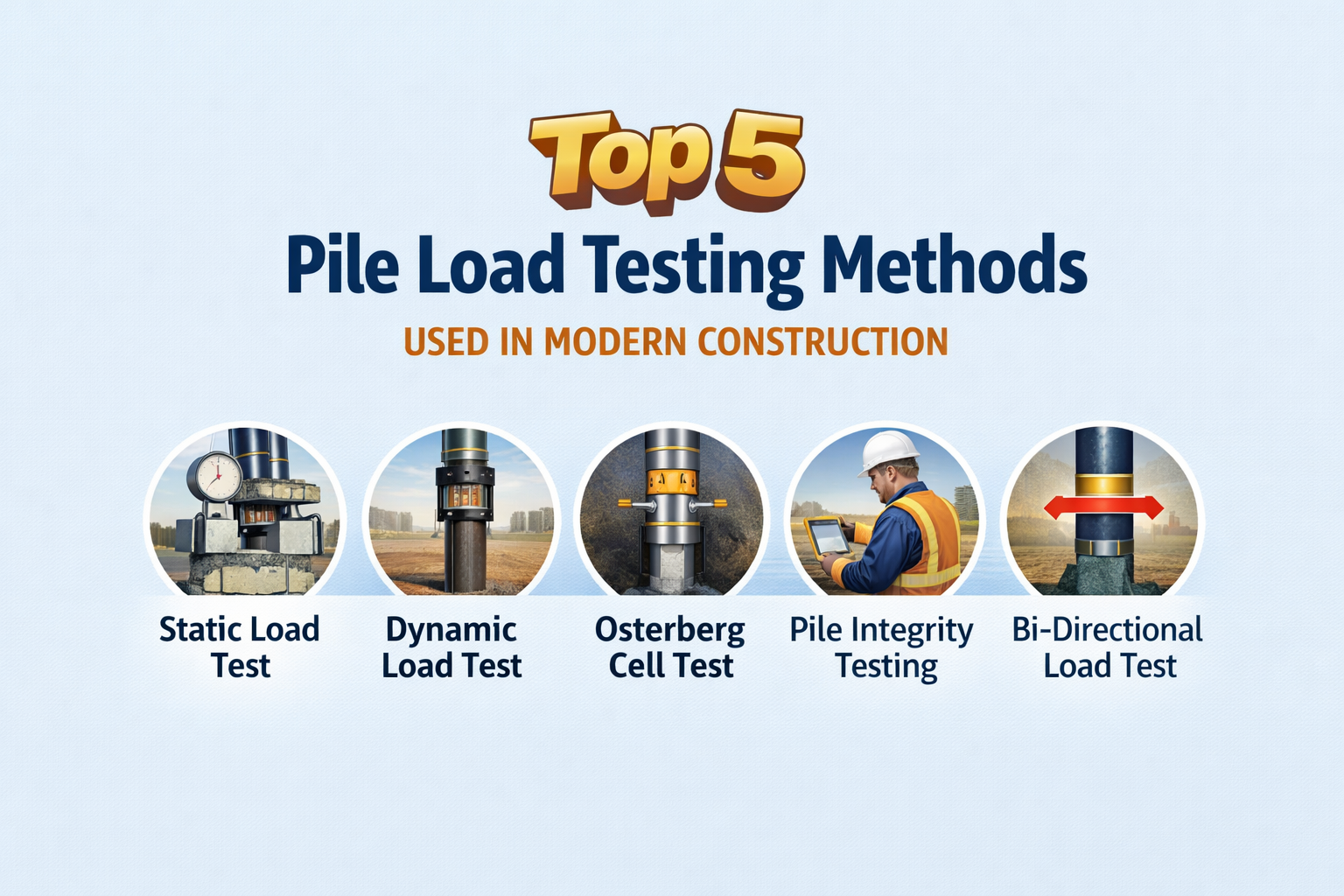
Top 5 Pile Load Testing Methods Used in Modern Construction

June 30, 2026
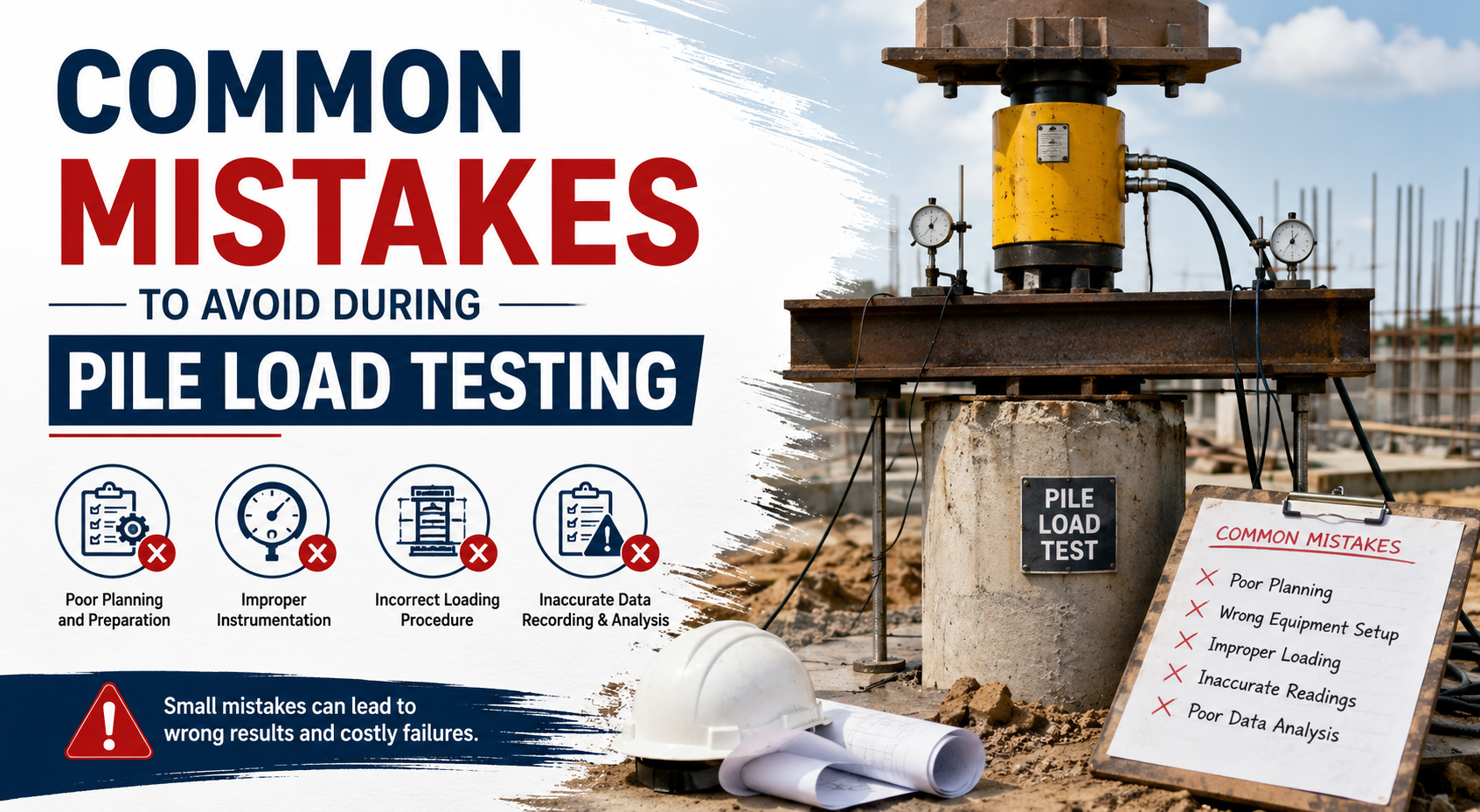
Common Mistakes to Avoid During Pile Load Testing
Need help? Call us Today at+91 7665235528
for inquiries and support. We’re here to assist you.